
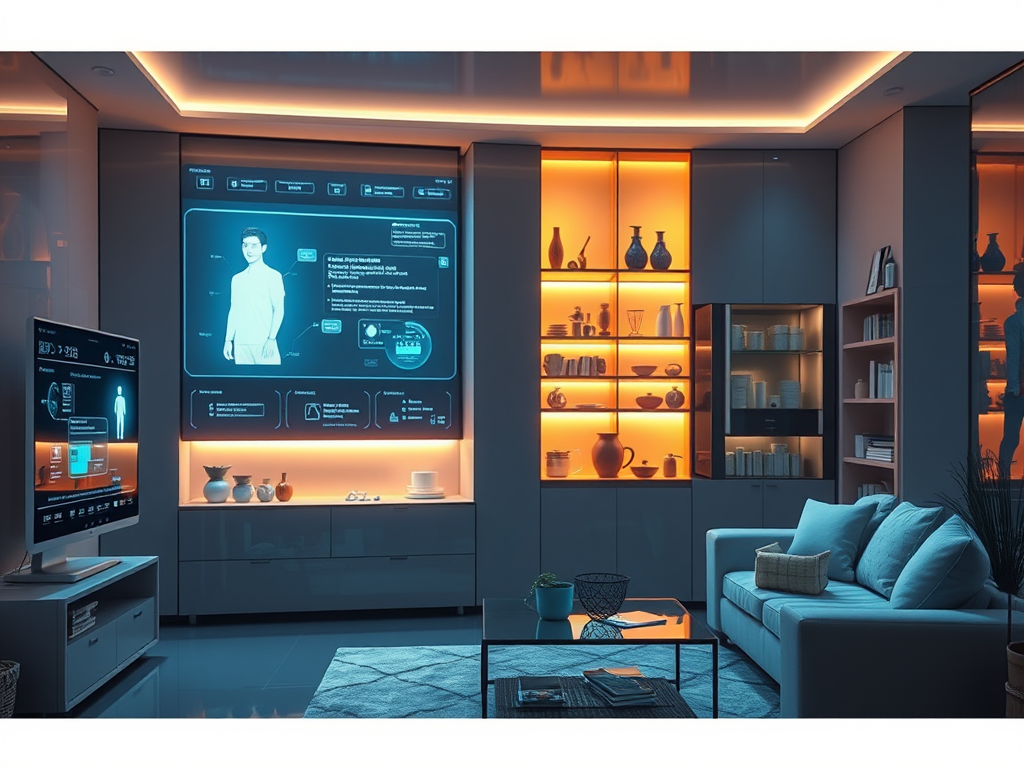
In today’s rapidly evolving world, industries are undergoing a profound transformation driven by the power of connectivity and artificial intelligence (AI). Gone are the days when interactions between businesses and customers were fleeting, transactional moments—buying a product, booking a service, or visiting a store. Now, companies across sectors are forging continuous, personalized, and seamless relationships with their customers, enabled by advanced technologies. This shift is encapsulated in the concept of a connected strategy, a framework that redefines how firms engage with customers and deliver value. Imagine a world where your home anticipates your needs, your fitness coach adapts to your daily progress, or your favorite store curates your shopping experience in real-time. This blog post explores the connected strategy, its two core components—connected customer relationships and the connected delivery model—and why it’s revolutionizing industries. By examining fresh examples and practical applications, we’ll uncover how businesses can create low-friction, personalized interactions that transform customer experiences.
The Evolution of Customer Interactions
Historically, customer interactions with businesses were episodic—isolated moments with little continuity. You’d visit a store to buy a lightbulb, sign up for a gym class, or schedule a consultation, and the relationship ended there until the next transaction. These interactions were like brief conversations, lacking depth or context. The rise of the internet introduced an on-demand model, where customers could shop online or book services instantly, but the connection remained transactional, driven by convenience rather than personalization.
Today, a new paradigm has emerged: the connected way. Enabled by AI, sensors, and ubiquitous connectivity, businesses can maintain an ongoing dialogue with customers, anticipating needs, personalizing offerings, and responding in real-time. This shift is not just about technology—it’s about reimagining the customer relationship as a continuous, meaningful partnership. To achieve this, a connected strategy addresses two critical questions:
- What does the relationship between the customer and the firm look like?
- How can the firm deliver this relationship efficiently and cost-effectively?
The answers lie in two pillars: the connected customer relationship and the connected delivery model. Let’s explore each in turn, using examples from a smart home ecosystem, an online fitness platform, and a connected retail experience to illustrate their impact.
Connected Customer Relationships: The Four Rs
At the heart of a connected strategy is the connected customer relationship, a framework that transforms episodic interactions into continuous, low-friction, and personalized engagements. This is achieved through four key steps, which we call the Four Rs: Recognize, Request, Respond, and Repeat. Together, these steps create a cycle that deepens the firm’s understanding of the customer and enhances the value delivered.
Recognize: Identifying the Need
The first step is recognizing a customer’s need, which can originate from either the customer or the firm. In traditional models, customers explicitly identified their needs—I’m hungry, I need a new lamp, or I want to exercise. Today, advanced technologies allow firms to anticipate needs before customers articulate them, like a friend who knows you’re stressed before you say a word.
Consider a smart home ecosystem like a network of connected devices (thermostats, lights, and appliances). Sensors in a smart thermostat might detect that the house is too warm on a summer afternoon, or a connected refrigerator might notice that milk is running low. Alternatively, the homeowner might realize they want to dim the lights for a movie night. Whether the need is sensed by the system or voiced by the customer, recognition sets the stage for action.
Request: Turning Needs into Actions
Once a need is recognized, it becomes a request for a product or service. This step is about translating the need into a clear directive. In the past, requests were manual—walking to a store or calling a service provider. Now, connectivity streamlines this process, making requests seamless and often automatic.
In the smart home example, the thermostat might send a request to the cooling system to lower the temperature, or the refrigerator might trigger a grocery order through a linked app. For the homeowner, a voice command to a smart speaker (“Dim the lights”) becomes the request. The firm—whether a device manufacturer or a service provider—receives this request instantly, thanks to connected technologies.
Respond: Delivering Value
The third step is responding to the request with a tailored solution. This is where the firm delivers the product, service, or adjustment the customer needs. In a connected strategy, responses are swift, precise, and personalized, leveraging data to ensure relevance.
For the smart home, the cooling system activates to reach the desired temperature, the grocery order is placed with a preferred retailer, or the lights dim to the perfect ambiance. These responses are not one-size-fits-all; they’re customized based on the homeowner’s preferences, such as their ideal room temperature or favorite grocery brands, learned through prior interactions.
Repeat: Learning and Improving
The final step, repeat, is what makes the connected customer relationship truly transformative. Each interaction provides data that the firm uses to refine future responses, anticipate needs, and deepen personalization. This cycle of learning is like a friendship that grows stronger with every conversation.
In the smart home, the system learns the homeowner’s schedule—perhaps they prefer a cooler house at 6 PM when they return from work—or their grocery habits, suggesting new products based on past orders. Over time, the system anticipates needs (e.g., pre-cooling the house) and tailors responses (e.g., recommending energy-saving settings), creating a seamless, personalized experience.
Example: Online Fitness Platform
To see the Four Rs in action, consider an online fitness platform like a digital workout app. Traditionally, fitness was episodic: you’d attend a gym class or buy a workout DVD. Now, a connected platform transforms this experience:
- Recognize: Wearable devices (e.g., a fitness tracker) detect that your heart rate suggests low activity, or you note a goal to run a 5K.
- Request: The tracker sends data to the app, which suggests a workout plan, or you select a running program.
- Respond: The app delivers a personalized workout video, adjusting intensity based on your fitness level.
- Repeat: The platform learns your exercise habits, preferences (e.g., yoga over cardio), and progress, tailoring future workouts and predicting when you might need a rest day.
This continuous cycle creates a fitness coach that’s always by your side, adapting to your needs and goals.
Connected Delivery Model: Making It Happen
While the connected customer relationship defines what the customer experiences, the connected delivery model outlines how the firm delivers it efficiently and cost-effectively. This model comprises three elements: connection architecture, revenue model, and technology infrastructure.
Connection Architecture: Rethinking Delivery
Traditionally, firms created and delivered products or services directly—think of a retailer stocking shelves or a gym offering classes. Today, alternative architectures like platforms, peer-to-peer networks, and sharing economies are reshaping industries. These models connect customers with resources in innovative ways, often without the firm owning the assets.
Consider a connected retail experience offered by a fashion platform. Instead of owning stores, the platform acts as a marketplace, connecting customers with independent designers and second-hand sellers. Like a digital shopping mall, it curates clothing options based on customer preferences, learned through past purchases and browsing data. This platform model reduces overhead costs and offers customers a diverse, personalized selection, transforming the traditional retail experience.
Revenue Model: Redefining Payment
The revenue model addresses how firms generate income from connected strategies. Traditional models involve direct payments—buying a product or paying for a service. However, connected strategies introduce alternatives that align with continuous relationships:
- Subscriptions: Customers pay a recurring fee for access, like renting a service. The fitness platform might charge a monthly subscription for unlimited workout plans.
- Outcome-Based Models: Payment is tied to results. In the retail example, the platform could charge designers a fee only when their items sell, aligning incentives.
- Data-Driven Models: Customers “pay” with data, which firms monetize. The smart home ecosystem might offer free features in exchange for usage data, used to improve services or sell targeted ads.
These models ensure firms can sustain connected relationships while offering customers flexibility and value. For instance, a subscription to the fitness platform feels like hiring a personal trainer at a fraction of the cost, while the retail platform’s outcome-based fees empower small designers to reach customers without upfront costs.
Technology Infrastructure: The Backbone
The technology infrastructure underpins the connected strategy, enabling seamless data collection, transmission, analysis, and response. This includes sensors, networks (e.g., Bluetooth, Wi-Fi, 5G), cloud platforms, and AI algorithms. While the technical details are complex, the goal is simple: create a system that’s always on, secure, and scalable.
In the smart home, sensors in devices communicate via Wi-Fi to a cloud platform, where AI analyzes usage patterns and triggers responses (e.g., adjusting lights). The fitness platform uses wearables and mobile apps to collect data, with AI personalizing workouts in real-time. The retail platform relies on machine learning to recommend products, with secure APIs ensuring smooth transactions. This infrastructure is like the nervous system of the connected strategy, enabling instant, intelligent interactions.
Example: Connected Retail Experience
The connected retail platform illustrates the delivery model in action. Traditionally, shopping was episodic: visit a store, buy clothes, leave. Now, the platform creates a continuous experience:
- Connection Architecture: The platform connects customers with designers and resellers, offering a curated selection without owning inventory.
- Revenue Model: It charges a commission on sales (outcome-based) and offers a premium subscription for exclusive deals, ensuring steady income.
- Technology Infrastructure: AI analyzes browsing and purchase data to recommend outfits, while secure Wi-Fi and cloud systems handle transactions.
This model delivers a personalized shopping experience, like having a stylist who knows your taste, at a lower cost than traditional retail.
Why Connected Strategies Matter Now
The relevance of connected strategies today stems from technological advancements that make continuous, low-friction interactions possible:
- Diverse Input Devices: Sensors, wearables, and cameras collect rich data, like eyes and ears for businesses. From smart thermostats to fitness trackers, these devices enable precise need recognition.
- Seamless Transmission: Bluetooth, Wi-Fi, and 5G make data sharing instant and reliable, like sending a text message. This ensures requests reach firms quickly and securely.
- Rapid AI Analysis: AI processes vast datasets in seconds, like a genius librarian finding answers instantly. It powers personalized responses and predictive insights.
- Responsive Systems: Automated adjustments and real-time alerts, like a car avoiding a pothole, correct issues or enhance experiences before customers notice.
These advancements enable firms to move beyond episodic interactions, creating relationships that are proactive, personalized, and efficient. For example, the smart home anticipates your comfort, the fitness platform evolves with your goals, and the retail platform curates your wardrobe—all in real-time.
Challenges of Implementing a Connected Strategy
While powerful, connected strategies face hurdles:
- Data Management: Collecting and processing data is like organizing a massive library. AI can help, but firms need clear data strategies to avoid overwhelm.
- Cost: Building sensors, networks, and AI systems is like renovating a building—expensive but impactful. Phased implementation can manage expenses.
- Security: Connected systems are vulnerable to breaches, like an unlocked vault. Encryption and AI-driven threat detection are essential.
- Customer Trust: Continuous monitoring can feel intrusive, like an overattentive friend. Transparent data policies build confidence.
Firms can address these by starting with pilot projects, partnering with tech providers, and prioritizing customer privacy.
Case Study: A Connected City Service
Imagine UrbanLink, a fictional city service platform using a connected strategy to manage public transportation, energy, and safety:
- Recognize: Sensors detect crowded buses or high energy use, while residents report potholes via an app.
- Request: Data triggers requests for more buses or energy adjustments, or residents’ reports prompt maintenance.
- Respond: Extra buses are dispatched, smart grids reduce power waste, or repair crews are sent.
- Repeat: The platform learns traffic patterns, energy trends, and resident needs, optimizing services over time.
- Connection Architecture: UrbanLink acts as a platform, connecting residents with city services and third-party providers (e.g., ride-shares).
- Revenue Model: A subscription for premium features (e.g., real-time transit alerts) and data monetization (e.g., urban planning insights) fund operations.
- Technology Infrastructure: IoT sensors, 5G networks, and AI analytics enable real-time coordination.
UrbanLink reduces commute times by 15%, cuts energy costs by 10%, and improves safety, showing how connected strategies transform complex systems.
The Future of Connected Strategies
As technology evolves, connected strategies will become even more powerful:
- Advanced AI: Smarter algorithms will predict needs with greater accuracy, like a psychic assistant.
- Ubiquitous Connectivity: 6G and beyond will make transmission instantaneous, like telepathy.
- Collaborative Ecosystems: Firms will share data across industries, like a global brainstorming session, enhancing value.
- Sustainability: Connected strategies will optimize resource use, like a household cutting waste, supporting green goals.
These trends will deepen customer relationships and drive innovation across sectors.
Final Thoughts
The connected strategy, with its connected customer relationship (Recognize, Request, Respond, Repeat) and connected delivery model (connection architecture, revenue model, technology infrastructure), is transforming how industries engage with customers. By moving from episodic to continuous, low-friction, and personalized interactions, firms like smart home providers, fitness platforms, and retail marketplaces are redefining value. Examples like UrbanLink show the framework’s versatility, while advancements in sensors, connectivity, AI, and responsive systems make it more relevant than ever. Though challenges like costs and security exist, strategic planning can overcome them. As we look to the future, connected strategies will continue to shape a world where businesses anticipate our needs, deliver tailored solutions, and build lasting relationships. Whether you’re a leader or a curious observer, this approach offers a blueprint for thriving in the AI era.



Leave a Reply