
https://www.theguardian.com/us-news/2025/apr/22/trump-china-tariffs
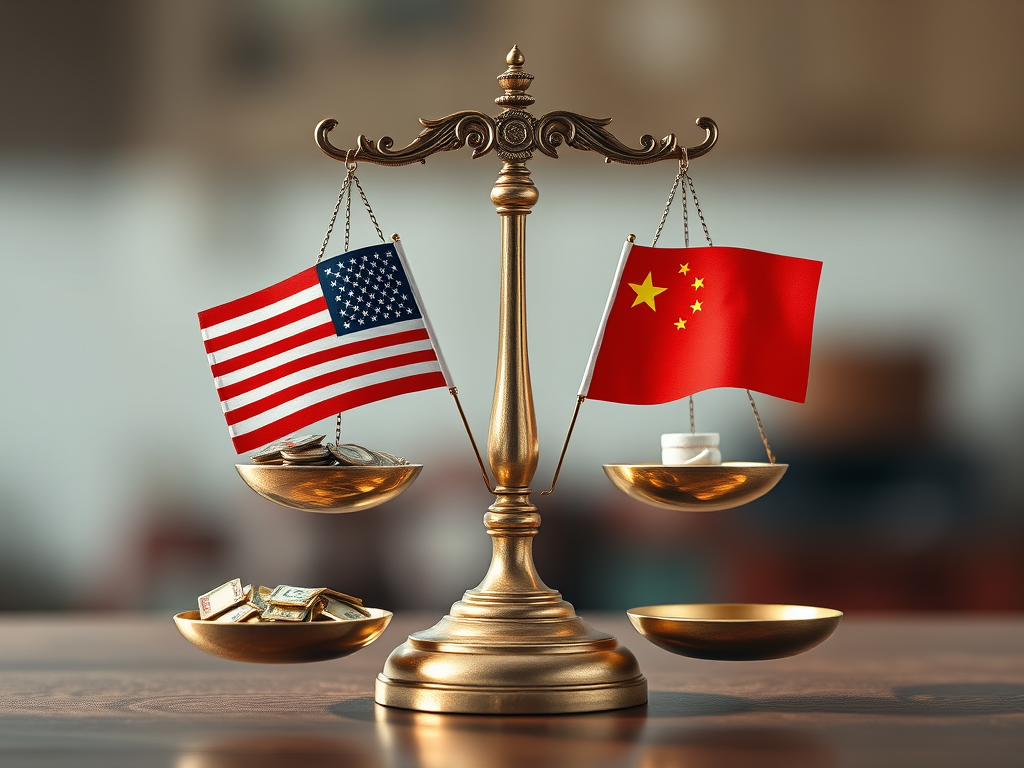
If this story turns out to be true, the tariff reduction could indicate that Trump overestimated the U.S.’s ability to sustain high tariffs without self-inflicted damage, especially given China’s retaliatory measures and global economic interdependence. However, it’s premature to label it a clear failure without knowing the outcome of U.S.-China talks about the long-term effects, so I’ll wait and see. Remember tariffs are tools (and a tax on us), and their success depends on whether they achieve specific goals (e.g., more U.S. manufacturing jobs, better trade terms). Historical data from Trump’s first term shows mixed results: tariffs saved some jobs but led to losses elsewhere and higher consumer prices, with China not fully honoring trade commitments.
Was this plan a failure from the start? Whether it means Trump “failed” is subjective:
- If his goal was unwavering high tariffs, the reduction suggests a setback.
- If his aim was to force negotiations, it could be a strategic pivot.
Economic data leans toward tariffs causing more immediate harm than good (market drops, higher prices, IMF warnings), but the full story depends on future deals and impacts. Stay tuned and watch the market rollacoaster continue. What do you think?




Leave a Reply